At YMCA Robin Hood, we believe that every young person deserves to feel safe, heard, and supported – especially during life’s most challenging moments.
Over recent months, we delivered a dedicated Suicide Prevention Programme for young people experiencing homelessness. Through creativity, connection, and therapeutic support, the programme created opportunities for young people to build confidence, express themselves, and feel part of a community.
Many of the young people we support face complex challenges, including poor mental health, isolation, and unstable living environments.
When we first spoke to residents, they described their surroundings as:
“Empty”
“Like a mental health hospital”
This feedback became the starting point for something powerful, giving young people the chance to transform not just their environment, but how they felt within it.
Building Trust Through Everyday Moments
We began the process by creating relaxed, open-access sessions designed to feel welcoming and pressure-free.
Young people could join in with:
- Outdoor activities like football, walks, and basketball
- Cooking and food-based sessions
- Creative workshops and planting activities
- Informal social spaces with games and conversation
- Seasonal events like pumpkin picking and baking
These sessions weren’t just activities, they were opportunities to build trust, spark conversations, and create a sense of belonging.
The Mural Project: A Space Reimagined
From these early conversations, a creative idea began to grow.
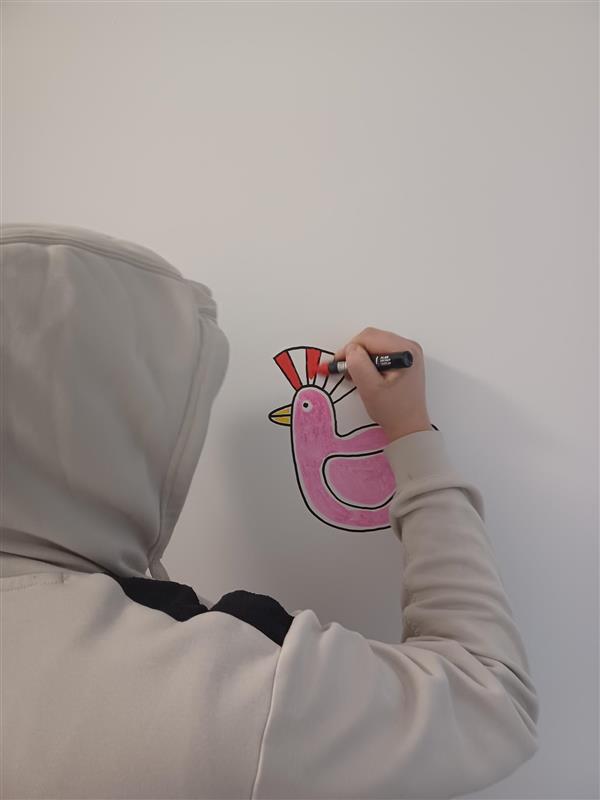
Together, young people designed a mural project featuring:
- 22 duck characters, representing each room in the building
- Each duck displaying its own personality and phrase
- Inspired by local canals and identity, the duck became a shared symbol – playful, familiar, and uniquely theirs.
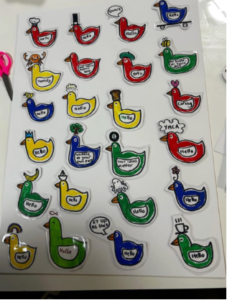
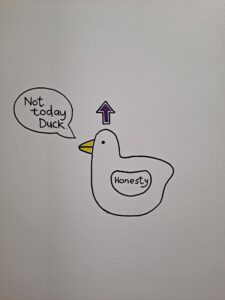
By the end of the project, all 22 murals were installed throughout the building, turning a once clinical environment into something warm, vibrant, and full of personality.
The Power of Therapeutic Creativity
In February, our programme was strengthened further through specialist art psychotherapy sessions.
These sessions helped young people to:
Reflect on their experiences
Process emotions through creative expression
Build connections with others in the building
One activity involved creating personal memory boxes – giving young people a sense of privacy, safety, and ownership during a time when life can feel uncertain.
The impact was clear: young people who had never spoken before began connecting, sharing, and supporting one another.
What We Achieved Together
Across the programme, we saw:
- 15 young people consistently engaging
- 40 young people connecting more informally
- 285 hours of support delivered
- 24 sessions completed
But beyond the numbers, the real impact was felt in:
- Increased confidence and self-expression
- Stronger peer relationships
- Improved emotional wellbeing
- A renewed sense of pride in where they live
K’s Journey
When K re-engaged with us, he was struggling daily with his mental health and using substances to cope.
But he also had a powerful motivation – he had recently become a father and wanted to change.
Through the programme, K:
- Built positive relationships
- Gained confidence
- Took pride in his appearance and contributions
- Helped develop and write the mural proposal
His journey wasn’t straightforward, but it showed how consistent support and meaningful opportunities can make a real difference.
M’s Story (Age 17)
M hadn’t engaged in any sessions before the mural project.
One invitation to paint changed everything.
He went on to:
- Help complete all 22 murals
- Design his own unique artwork
- Attend sessions regularly
- Encourage others to get involved
Despite facing challenges, M made the choice to stay sober during sessions, showing commitment, motivation, and growth.
Looking Ahead
This programme has shown that when young people are given the space to be creative, to connect, and to be heard, incredible things can happen.
By listening to their voices and working alongside them, we can create environments that don’t just house young people but truly support them to thrive.